25 Apr 2026
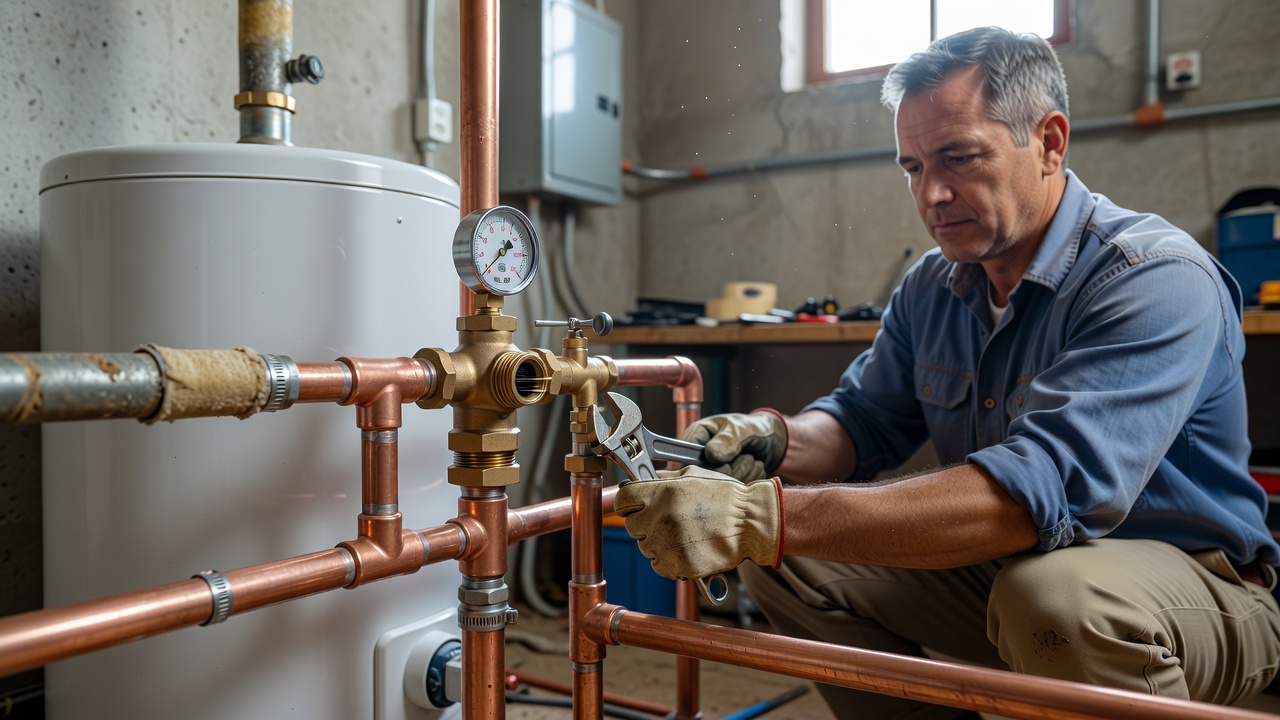
A geyservalve regulates water flow and pressure in hot water systems, so selecting the right model affects safety, efficiency, and longevity. Homeowners and installers benefit from understanding the main factors that separate dependable units from those that fail early.
Material and Build Quality
Brass and stainless steel bodies resist corrosion better than plastic or low-grade alloys, especially in areas with hard water. Check wall thickness and internal machining; rough surfaces can trap sediment and reduce flow over time. Look for models rated for continuous use at 80–100 °C and pressure up to 10 bar. A clear specification sheet listing exact operating limits helps avoid mismatches with local supply conditions.
Safety Features and Certifications
Pressure relief and thermal cut-off functions prevent dangerous spikes. Verify that the valve carries relevant marks such as CE, WRAS, or local plumbing standards. A built-in strainer protects the mechanism from debris, while a manual override allows testing without full system shutdown. Warranties of five years or more on the body indicate the manufacturer’s in long-term performance.
Installation and Ongoing Checks
Correct orientation and accessibility matter. Install the valve in a position that permits annual inspection and easy replacement of seals or cartridges. After fitting, record inlet pressure and flow rate so future changes can be spotted quickly. Listen for unusual vibration or dripping; both signal wear that should be addressed before leaks develop. Keeping spare seals on hand reduces downtime when service is needed.
Regular attention to these details keeps hot water systems running safely and reduces the chance of unexpected repairs. Choosing a geyservalve with proven materials, proper certifications, and straightforward maintenance requirements provides reliable service for years.