19 Oct 2026
Tracing the Impact of Environmental Regulations on Geyser Valve Manufacturing Processes Worldwide
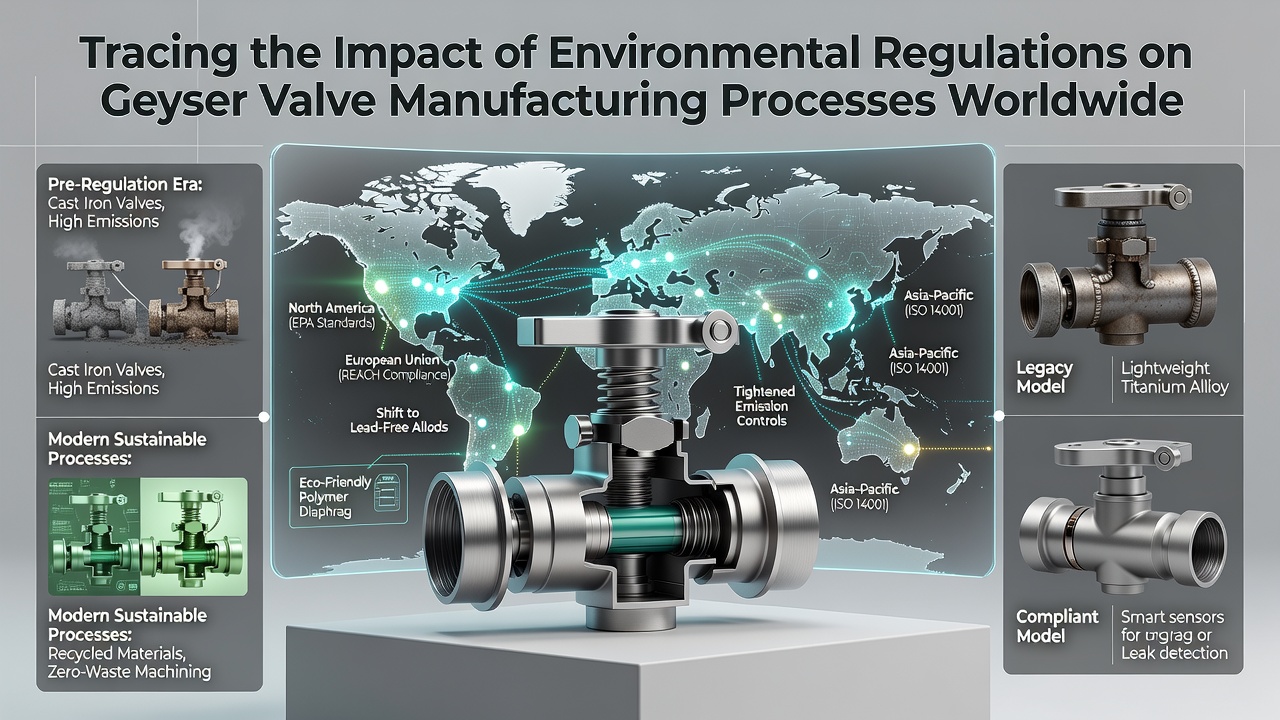
Environmental regulations have reshaped geyser valve manufacturing processes across multiple continents since the early 2000s, and observers note that these rules continue to drive changes in material selection, production techniques, and waste handling protocols. Manufacturers must now account for restrictions on hazardous substances while maintaining pressure relief performance standards that define geyser valves in water heating applications. Data from industry reports shows that compliance costs have risen steadily, yet production volumes in key markets have adapted without widespread disruption.
Regional Regulatory Frameworks and Their Reach
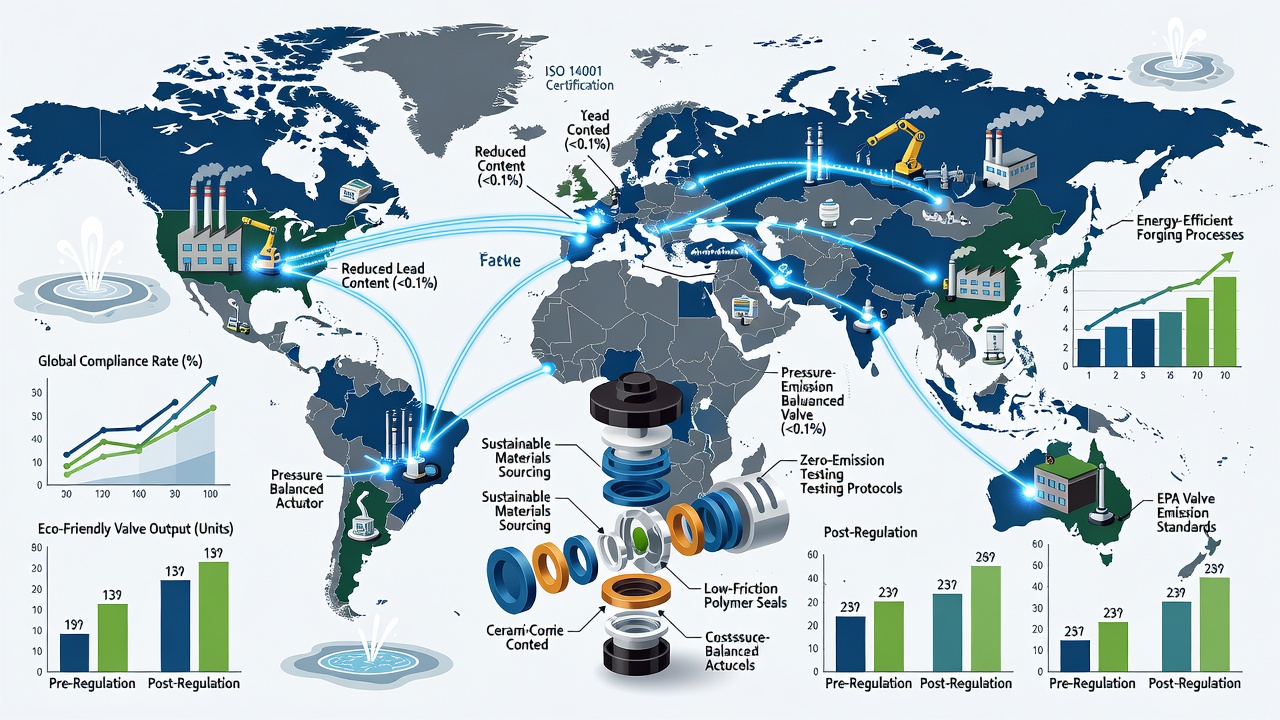
The United States Environmental Protection Agency has enforced limits on volatile organic compounds emitted during valve casting and coating operations, which prompted facilities to install advanced filtration systems by the mid-2010s. In parallel, the European Union's REACH regulation has restricted the use of certain heavy metals in valve components, requiring suppliers to certify material compositions through documented supply chain audits. Canadian authorities have aligned similar standards on wastewater discharge from machining centers, creating a North American baseline that many exporters now follow. Australian environmental guidelines have focused on energy consumption metrics during forging processes, and manufacturers there report incremental upgrades to electric induction heating equipment to meet those thresholds.
Material Sourcing and Substitution Trends
Lead-free brass alloys have become standard in geyser valve bodies across regulated markets, and research indicates that these substitutions maintain structural integrity under high-temperature cycling while reducing leaching risks in potable water systems. Studies conducted by materials laboratories have tracked corrosion resistance in alternative alloys, revealing that silicon-based replacements perform comparably in long-term exposure tests. Suppliers in Asia have adjusted sourcing patterns to avoid restricted substances listed under multiple international frameworks, which has led to expanded partnerships with certified mines and recyclers. Production data shows that recycled copper content in valve castings has increased in facilities that implemented closed-loop melting systems to comply with circular economy directives.
Process Modifications in Assembly and Finishing
Assembly lines have incorporated solvent-free adhesives and water-based lubricants to reduce air emissions, while automated leak-testing stations now operate with recirculated water to cut consumption volumes. Facilities in Europe and North America have documented reductions in hazardous waste generation after switching to powder coating methods that eliminate liquid overspray. Energy audits performed in 2024 revealed that variable-speed motors on stamping presses lowered electricity demand during peak production periods, and similar upgrades have appeared in plants operating under Australia's efficiency targets. Welding operations have shifted toward laser techniques that minimize filler material use, and quality control records confirm that joint strength remains consistent with earlier gas-shielded methods.
Supply Chain Adjustments and Certification Requirements
Third-party verification programs have expanded to cover geyser valve components, and exporters must now provide traceability documentation that traces raw materials back to compliant origins. One manufacturer in Germany integrated blockchain tracking for alloy batches to satisfy both EU and US import checks, while facilities in India have adopted ISO 14001 environmental management systems to streamline audits for international buyers. Trade statistics indicate that shipments of non-compliant valves have declined sharply since 2022, as customs authorities in multiple jurisdictions increased sampling rates at ports. Collaborative research between universities in Canada and regulatory bodies has produced guidelines that help smaller producers interpret overlapping rules from different regions without duplicating testing efforts.
Developments Anticipated for October 2026
Updated reporting protocols on greenhouse gas emissions from manufacturing sites are scheduled to take effect in October 2026 under several national frameworks, and companies have already begun installing continuous monitoring sensors on heat-treatment furnaces used for valve springs. Preliminary modeling from research institutions projects that these requirements will accelerate adoption of renewable energy contracts at larger plants, while smaller operations may consolidate production to share compliance infrastructure. Industry associations have circulated draft templates for the new submissions, and test runs conducted in 2025 demonstrated that digital record-keeping systems can generate the required datasets with minimal manual input.
Conclusion
Environmental regulations continue to influence every stage of geyser valve manufacturing, from raw material selection through final inspection and packaging. Worldwide production data reveals measurable shifts in emissions profiles and resource use, while certification processes have standardized documentation practices across borders. As new reporting obligations approach in October 2026, manufacturers maintain ongoing adjustments to align processes with evolving standards without compromising the safety functions that geyser valves perform in residential and commercial water heating systems.