23 Aug 2026
Geyservalve systems rely on precise numerical specifications to ensure reliable performance in hot water applications. Understanding these figures helps users select appropriate models and maintain optimal operation over time.

Standard Measurements for Geyservalve
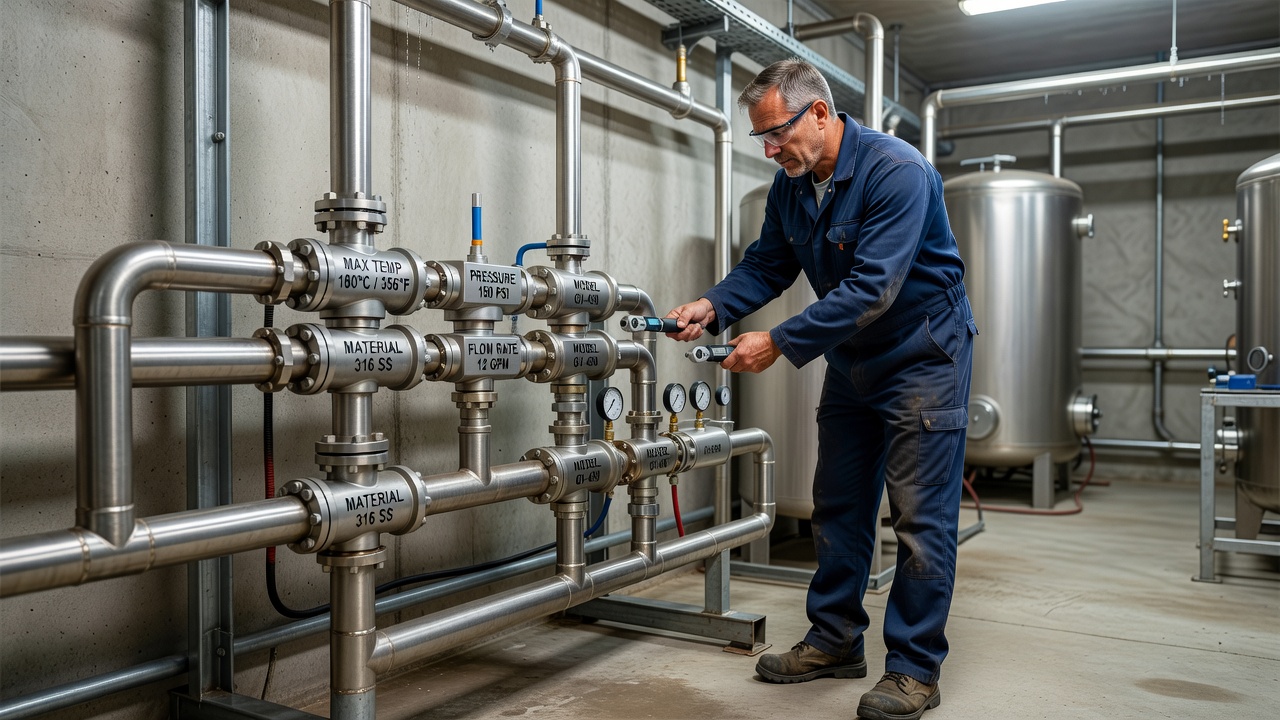
Common specifications include valve diameter, typically ranging from 15mm to 50mm, and pressure ratings between 10 and 25 bar. Temperature tolerances often reach up to 120 degrees Celsius, with material thickness measured in millimeters to withstand thermal expansion. These numbers directly influence compatibility with different geyser units and piping networks.
Flow capacity is another critical metric, expressed in liters per minute. A standard residential model might handle 20 to 40 liters per minute under normal conditions, while commercial versions can exceed 100 liters. Users should match these values to household demand to avoid pressure drops or inefficiencies.
Calculating Performance Metrics
Performance calculations start with pressure differential, calculated by subtracting outlet pressure from inlet pressure. Efficiency ratings, often shown as percentages, indicate how well the valve maintains consistent output despite varying input conditions. For instance, a 95 percent efficiency rating means minimal loss during operation.
Regular monitoring of these numbers allows early detection of wear. If flow rates fall below expected levels, it may signal internal buildup or component degradation requiring attention.
Safety Thresholds and Indicators
Safety features incorporate burst pressure limits, usually set at four times the working pressure, and relief valve activation points around 7 bar. Numerical indicators on gauges provide real-time data on system status, helping prevent overheating or over-pressurization.
Adhering to manufacturer-specified numbers extends equipment life and reduces risks. Always consult detailed product documentation for exact values applicable to each Geyservalve installation.