7 Jul 2026
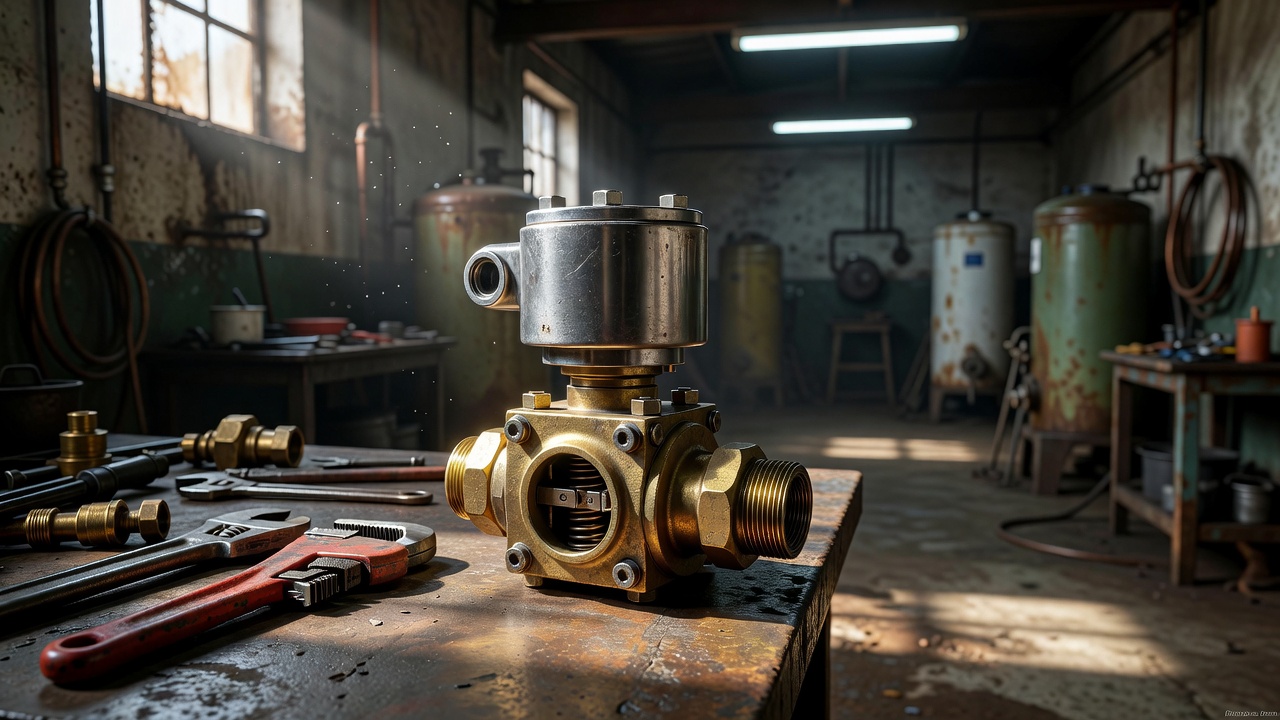
A geyservalve is a specialized component designed to control water flow and pressure within geyser systems. It helps maintain consistent temperatures while protecting against overpressure and backflow in both residential and light commercial setups.

Selecting the Right Geyservalve
Choosing an appropriate model begins with understanding system requirements such as pipe diameter, operating pressure, and temperature range. Brass and stainless steel constructions offer strong corrosion resistance, while thermostatic variants provide automatic regulation. Always verify compatibility with local plumbing codes and the specific geyser model in use. Consulting flow rate charts ensures the valve can handle peak demand without restricting performance.
Installation Considerations
Proper placement is essential for reliable function. Install the valve on the cold-water inlet line, ensuring adequate clearance for future servicing. Use appropriate thread sealants and torque specifications to prevent leaks. After installation, bleed air from the system and test at normal operating pressure. Professional installation is recommended when dealing with high-pressure or complex piping arrangements.
Maintenance Practices
Regular inspection extends service life and prevents unexpected failures. Check for signs of corrosion, mineral buildup, or unusual noise during operation every six months. Clean or replace internal seals as needed and confirm that pressure relief mechanisms activate correctly. Keeping a maintenance log helps track performance trends and schedule timely replacements before issues arise.