9 Mar 2026
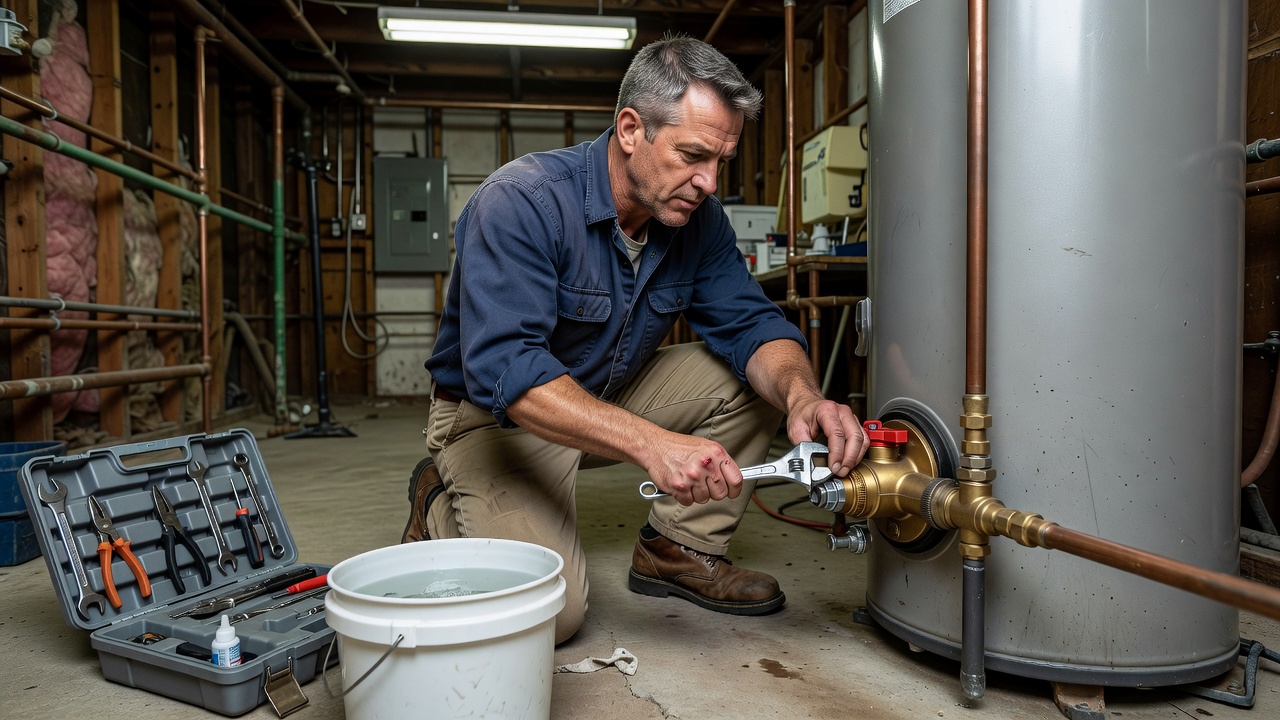
Proper care of your geyservalve is essential for maintaining consistent hot water supply and preventing costly repairs in both homes and businesses. Learning basic upkeep routines helps ensure safety and efficiency within water heating systems while reducing energy consumption over extended periods.
Key Components of a Geyservalve
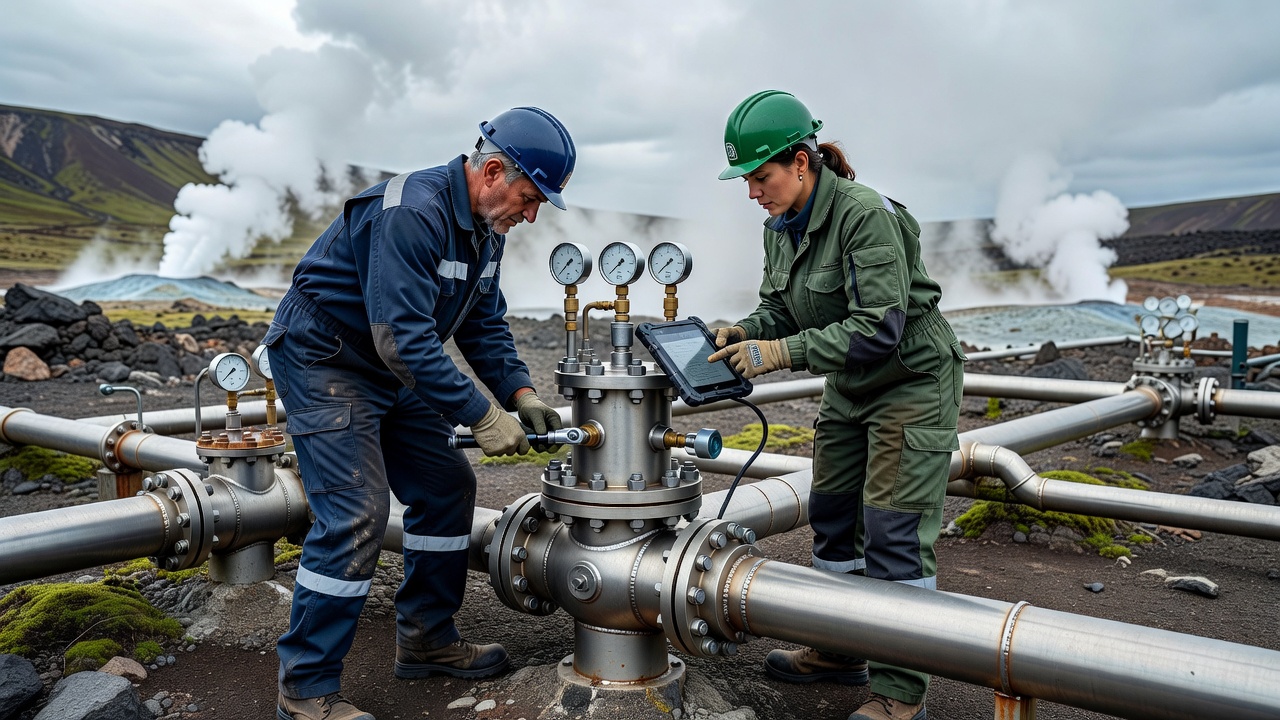
The geyservalve consists of several important parts including the main valve body, thermostat, pressure relief valve and inlet filter. Understanding how these interact allows for better monitoring of system health. The pressure relief valve prevents over pressurization while the thermostat controls temperature accurately. Regular visual inspections can reveal corrosion or debris that might affect performance. Filters should be cleaned periodically to allow smooth water flow and reduce strain on the entire system, promoting energy savings.
Additional elements such as seals and sensors play vital roles in preventing leaks and maintaining precise operation. Familiarity with these features supports informed decisions during routine checks.
Step by Step Maintenance Routine
Start maintenance by shutting off electricity and water supply to the unit. Drain a small amount of water to release pressure. Examine connections for leaks and tighten as needed. Clean the inlet screen to remove accumulated minerals from hard water areas. Test the pressure relief mechanism by lifting the lever gently and ensuring it reseals properly. Schedule professional servicing annually for internal checks to minimize unexpected breakdowns and extend operational life significantly.
Documenting each inspection helps track changes and identify patterns that may require attention. This proactive approach keeps systems running smoothly throughout the year.
Addressing Frequent Problems
Common issues include dripping from the valve which often signals worn seals requiring replacement. Fluctuating water temperatures may point to sensor malfunctions needing calibration or substitution. Noisy operation could result from air pockets or scale buildup inside pipes. Always follow safety protocols and refer to product manuals before attempting fixes. Seeking expert assistance for complex problems ensures correct resolution without risking damage or injury. Implementing these strategies leads to reliable and efficient geyservalve function year after year.