21 May 2026
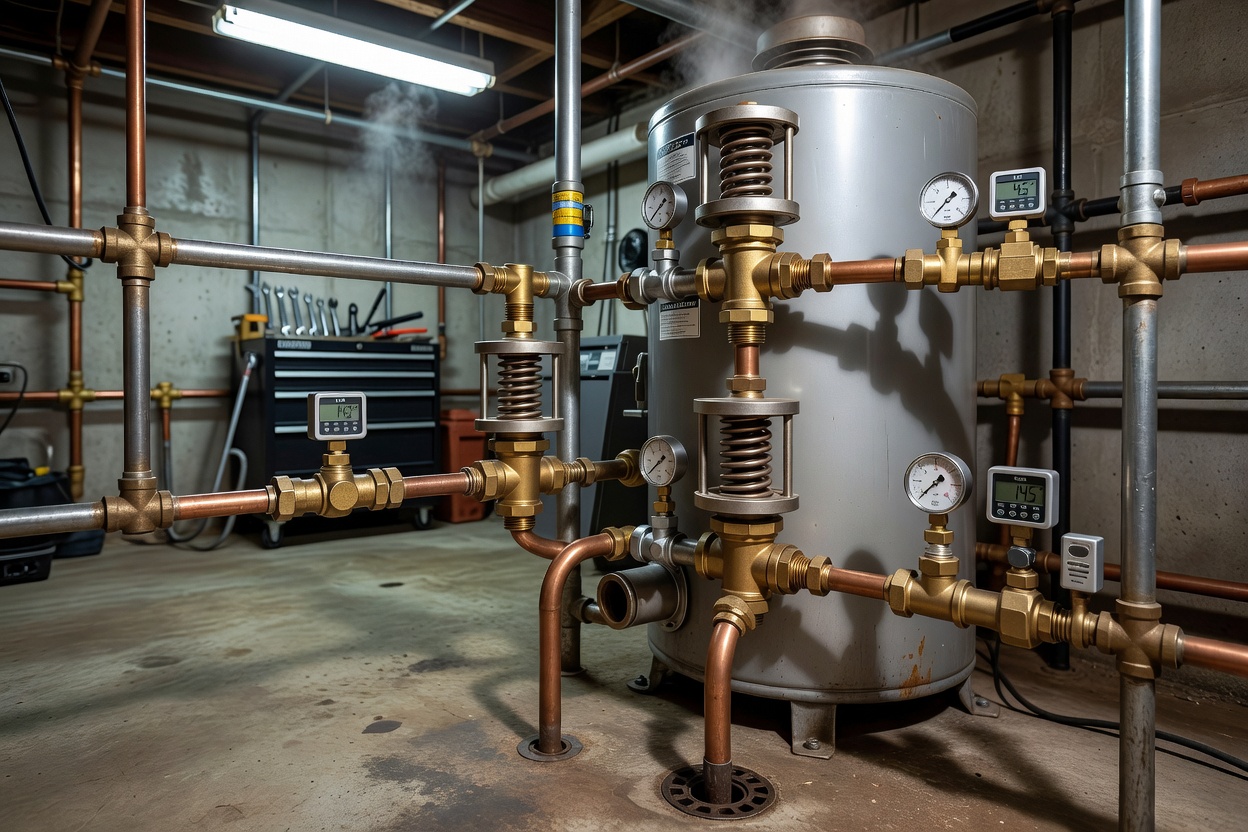
Geyservalve components serve as critical safety elements within hot water systems, regulating pressure and temperature to prevent equipment failure. These valves automatically release excess buildup, supporting consistent performance across various setups. Understanding their placement helps users maintain reliable hot water access while minimizing risks associated with overpressure.
Core Functions of Geyservalve Units
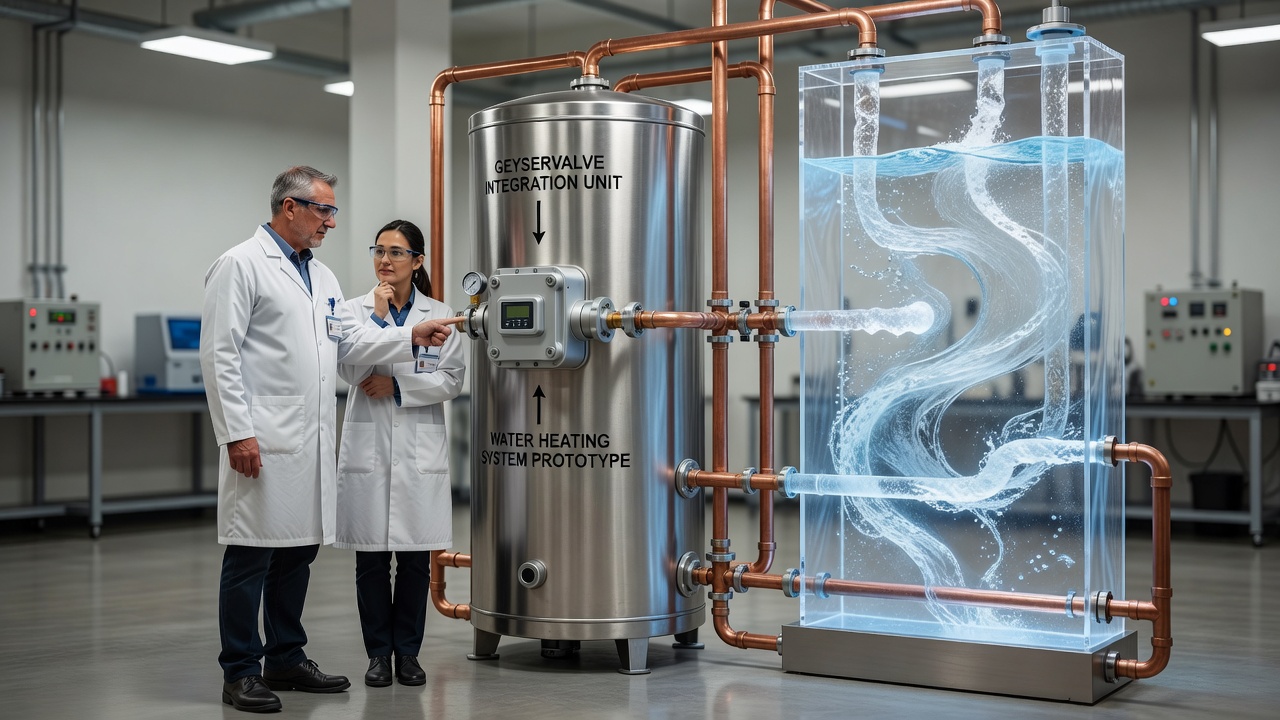
A geyservalve operates by monitoring internal pressure levels in geyser tanks. When thresholds are exceeded, it opens to discharge water or steam, then reseals once conditions normalize. This process protects against bursts and extends system longevity. Materials such as brass or stainless steel ensure durability in heated environments. Selection depends on tank size and operating pressure ratings provided by manufacturers.
Residential and Commercial Contexts
In homes, geyservalves integrate with electric or solar water heaters to deliver steady temperatures without intervention. They reduce energy waste by avoiding unnecessary cycling. Commercial sites like apartments or restaurants require higher-capacity models to handle frequent use. Proper sizing avoids leaks or inadequate relief during peak demand. Installation follows local codes to align with building safety requirements.
Maintenance Practices for Longevity
Periodic checks involve inspecting for corrosion, testing release mechanisms, and confirming correct pressure settings. Annual professional servicing detects wear before issues arise. Replacement intervals vary by usage but typically occur every five to ten years. Users benefit from documenting service dates to track performance trends. These steps promote safe operation in both daily and high-volume scenarios.